Building a career in post production or technology can be tough. It’s especially challenging to start your journey if you don’t know where to focus your attention.
Whether you’re starting out from scratch, or pivoting into a new segment of the industry, the main areas to focus on are the same: get connected, strengthen your self care, and learn the tech.
GET CONNECTED
Start networking
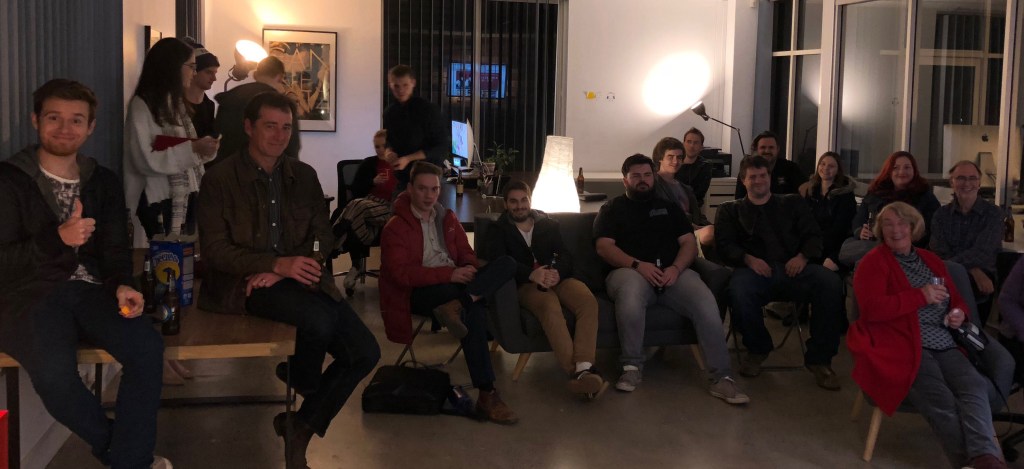
You don’t have to be perfect to start networking. You can still be a student, working a day job, seem shy, feel too young or too old while you are networking. The best time to start building your connections is now – no matter your circumstances. With networking, the worst case scenario is that you end up with a bunch of new friends. The best case is that your connections help get you a great new job. Yeah, you read that right. The WORST possible outcome of networking is that you end up with new friends. Or maybe the worst part will be that you trip over in front of 80 people at a mixer, but honestly, that’s just going to give you some A-grade material for the next person you connect with. We’re not saving lives here, so just make sure you have some fun with it.
Shift the focus away from yourself
If you’re feeling overwhelmed by the thought of creating a huge network, it helps to focus on other people, rather than yourself. You can contribute to our post production community in many different ways.
You could get active in online groups by answering people’s questions or posting some of your own to get your name out there. A solid contribution can honestly be as simple as sharing a helpful or fun link once a week. Be sure to keep it civil though, you never know who is watching your behavior online. If you want to take it a step further you could share your experiences or teach others by starting a YouTube channel, a blog or a podcast. I can’t count the number of times hearing someone’s story has helped me process something in my own journey. If you have a local guild or society in your area, you can join a steering committee and start organizing mixers or educational events. It doesn’t take many hours out of your week to offer high value contribution to your local area. You don’t have to be a 30-year industry veteran to make a valuable contribution. We all have things we can teach.
If you’re going to move to a new city for a job or to look for work, joining a team sport or a local running or hiking group can be a fast way to connect with new people. But if you’re not into physical activity and still want to connect with people, you can look into niche interest areas or hobbies that you have.
Go to that conference
Attending the right conference at the right time can change everything. For those who can’t attend, many conferences also publish recordings of sessions you can watch remotely for free. The Grace Hopper Celebration of Women in Computing does this every year and it’s amazing! While attending a conference can be great, the ultimate way to do them is to present. Whether that’s through delivering a workshop, speaking on a panel or hosting a session. It may seem daunting to submit an idea for a paper to a technical conference, or to run a workshop at a booth, but these actions will pay off and are sure to boost your confidence in the process.
NAB Show Guide to Thriving (instead of just surviving)
A Look Back – SIGGRAPH and GDC Europe
A Beginner’s Guide to Tech Conferences
10 tips for Succeeding at Game Developers Conference
STRENGTHEN YOUR SELF CARE
Take self care seriously and you’ll (almost) never burn out
Self care is something you should take very seriously. It’s the difference between making it or burning out repeatedly. The hours in post aren’t always easy but if you establish a solid foundation and set up some systems, you can avoid burn out for good. Prevention is always preferable because recovering can be traumatic and take a long while depending on your circumstances.
Get your groceries delivered. If you don’t have the time to go to the store and make whole food plant based choices, then you need to plan ahead when you do have time, and put in an order to your preferred grocery store.
Don’t skip breakfast. Protein shakes, smoothies, whatever you can blend quickly, shove into a reusable to-go container and drink on the commute to work is a good and fast option. Your brain will work better if you feed it.
Automate your finances and work out a budget. This way you never have to worry about savings or if you paid the rent or mortgage. Crunch-time brains can forget very important things. Help yourself not get bad credit or evicted.
Don’t work yourself to death please. Take this from a reformed workaholic who has experienced many bouts of serious burnout. Don’t work a thousand hours each week, if that’s possible. Your work is not worth your life.
Schedule time on the weekends to do things outdoors. Being in nature feels healing so go to the beach or hike up a mountain. Even a short walk can do absolute wonders for your fitness and cognitive abilities.
Try really hard to get 7-8 hours of sleep per night. We need to fiercely protect our sleep. If you get enough sleep, you’re better able to tackle tough things.
If you can afford it and are so inclined, go to therapy. This is a great way to develop tools to keep yourself healthy and I’ve never met a person who has regretted going to speak to someone about the issues they’re facing.
Learn to meditate. If you can’t locate a class in your area then grab one of the many apps out there. This has been the biggest game changer for me. It’s helped me drop a lot of anger and has helped me keep peaceful, even when everyone around me at work is running around putting out fires.

LEARN THE TECH
Be a constant student
This isn’t just about knowing your preferred NLE back-to-front. If you want to have career longevity you need to be a constant (humble) student. When you can find opportunities to develop yourself professionally, go for them. Or better yet, create opportunities to develop yourself and become invaluable to your workplace or industry. To future-proof yourself, it’s also a good idea to see where technological trends are headed and get yourself skilled up in those areas.
Online courses:
FXPHD: Gain access to web-based online training through this Australian company to develop just about any visual effects skill. Fees are subscription based and charged per semester.
Lynda.com: There are ways to get free access to lynda.com but if you can’t, it’s around $30 per month.
Ramit Sethi: Ramit doesn’t pull any punches as he gives instruction on developing your social skills. It’s true that most work in post production comes to you from people you know so it’s worth spending time developing your networking skills. There’s a lot of free high quality content over on Ramit’s website, including instruction on how to talk to anyone.
Skillcrush: Learn to code in a fun and welcoming online environment. If you’re interested in tech but not quite sure where you fit, the folks at Skillcrush can guide you through your indecision and support you through any type of study you take up with them. Can personally recommend this one.
Video Copilot: Fun After Effects tutorials and plug ins.
Master the Workflow: Learn the practical and professional skills needed to become an assistant film editor. Their online course ‘Feature Film Assistant Editor Immersion 1.0‘ was developed by working Hollywood professionals Lawrence Jordan and Richard Sanchez. They offer instruction based on their considerable real-world cutting room experience.
Books:
The War of Art: Break Through the Blocks and Win Your Inner Creative Battles by Steven Pressfield.
In the Blink of an Eye by Walter Murch.
The Art and Science of Digital Compositing by Ron Brinkmann.
The Hero’s Journey by Joseph Campbell.
Dan O’Bannon’s Guide to Screenplay Structure by Dan O’Bannon with Matt Lohr.
The Film Editing Room Handbook by Norman Hollyn.
Don’t Get A Job Make A Job by Gem Barton
Geek Girl Rising by Heather Cabot and Samantha Walravens.
The Conversations: Walter Murch and the Art of Editing Film by Michael Ondaatje.
Hollywood Cinema by Maltby.
Behind The Seen by Koppelman.
Ink and Paint: The Women of Walt Disney’s Animation by Mindy Johnson.
The Avid Assistant Editor’s Handbook by Kyra Coffie.
The Avid Handbook by Greg Staten and Steve Bayes.
Videos and podcasts:
#BCPCWest Post Talks: Being an Assistant Editor in Scripted TV
#BCPCWest Post Talks: The VFX Pipeline in TV, Film and Beyond
The Modern Job of the VFX Editor
The Modern Job of the Assistant Editor
How to be a VFX Editor
Women in Visual Effects
Optimize Yourself
Jonny Elwyn
Filmmaker Freedom
 Krystle Penhall | Cinematics & Editorial